
The Future of Digital Marketing in India is undergoing a revolutionary transformation. With over 900 million internet users and rapidly expanding smartphone penetration, India has emerged as one of the fastest-growing digital markets in the world. Businesses are increasingly shifting their focus online to reach a wider audience, build brand recognition, and drive revenue.
The Future of Digital Marketing in India is not just about using social media or running advertisements—it’s about leveraging technology, consumer insights, and innovative strategies to create meaningful engagement.
This blog explores the trends, technologies, challenges, and opportunities shaping the Future of Digital Marketing in India, providing actionable insights for brands looking to thrive in a digital-first environment.
Understanding the Digital Landscape in India
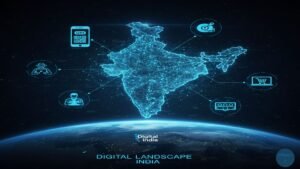
India’s digital ecosystem has grown exponentially over the past decade. Several factors contribute to this rapid growth:
Internet Penetration: Affordable smartphones and low-cost data plans have enabled access to the internet for millions, including in rural areas. As of 2025, India has more than 900 million active internet users, making it the second-largest online market globally.
Social Media Adoption: Platforms like Facebook, Instagram, LinkedIn, YouTube, ShareChat, and Koo are widely used. India has a thriving social media ecosystem with millions of active daily users.
E-commerce Growth: Online marketplaces like Flipkart, Amazon India, Myntra, Nykaa, and local startups have revolutionized shopping behavior, pushing brands to adopt digital-first strategies.
Digital Payments and Fintech: UPI, digital wallets, and mobile banking have made online transactions seamless, fueling e-commerce and online advertising growth.
This booming digital ecosystem provides immense opportunities for marketers to leverage technology, analytics, and creativity to reach consumers effectively.
Artificial Intelligence (AI) and Marketing Automation

AI and automation are transforming the future of digital marketing in India by making campaigns more efficient, personalized, and scalable.
Personalized Marketing: AI algorithms analyze user behavior to deliver tailored content, product recommendations, and personalized offers. For example, Amazon India uses AI to suggest products based on purchase history and browsing behavior.
Campaign Automation: Tools like HubSpot, Marketo, and Hootsuite automate ad campaigns, social media scheduling, and email marketing, saving time and resources.
Enhanced Customer Support: Chatbots and virtual assistants powered by AI handle customer queries 24/7. HDFC Bank and ICICI Bank have deployed AI chatbots to improve customer service and engagement.
The integration of AI ensures marketing strategies are smarter, more responsive, and better aligned with consumer expectations. As AI technology advances, Indian businesses can expect even greater efficiency and innovation in their campaigns.
Social Media Marketing: The Heart of Digital Strategy
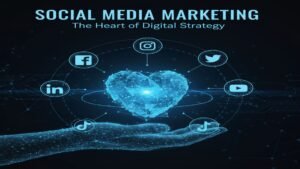
Social media is central to the Future of Digital Marketing in India. Platforms like Instagram, Facebook, LinkedIn, YouTube, and emerging apps like Moj and ShareChat allow brands to build awareness, generate leads, and engage customers in powerful new ways.
Key Trends Shaping the Future of Digital Marketing in India:
Short-Form Video Content: Platforms like Instagram Reels, YouTube Shorts, and Moj have made short videos an essential part of marketing campaigns. Brands like Zomato and Swiggy create humorous, relatable content to engage young audiences — a major trend driving the Future of Digital Marketing in India.
Influencer Collaborations: Influencers help brands reach niche audiences authentically. Mamaearth, for instance, partners with lifestyle and parenting influencers to promote its products, showing how partnerships will continue to define the Future of Digital Marketing in India.
Interactive Content: Polls, quizzes, challenges, and live sessions foster direct engagement, enhancing brand loyalty — all key factors in the Future of Digital Marketing in India.
Brands that adopt social-first strategies and focus on storytelling, engagement, and community-building are likely to dominate the Future of Digital Marketing in India.
Video Marketing and Storytelling

Video marketing has become a major driver of engagement in India due to affordable smartphones and faster internet speeds.
Explainer Videos: Companies like BYJU’S use animated videos to simplify complex topics, enhancing user understanding and engagement.
Live Streaming: Real-time interaction through Instagram Live, YouTube Live, and Facebook Live strengthens customer relationships.
Storytelling: Emotion-driven content creates stronger connections. Fevicol, the adhesive brand, is known for memorable video campaigns that resonate emotionally with audiences.
Visual content is more likely to be remembered, shared, and acted upon, making video marketing an indispensable part of the future of digital marketing in India.
Data-Driven Marketing and Analytics

Data drives today’s digital marketing strategies.. Indian businesses increasingly rely on analytics to guide strategy:
Consumer Insights: Understanding demographics, preferences, and behavior helps brands create relevant content.
Performance Tracking: Metrics like click-through rates (CTR), conversion rates, and engagement allow marketers to optimize campaigns.
Predictive Analytics: Tools like Google Analytics and SEMrush help anticipate trends and consumer needs.
For example, Flipkart uses data analytics to offer personalized deals and recommendations, improving customer experience and driving sales. Brands that leverage data effectively will lead the digital marketing space in India.
Voice Search and Multilingual Marketing

With the rise of voice assistants like Google Assistant, Alexa, and Siri, voice search is gaining importance in India.
Optimizing for Voice Search: Conversational, long-tail keywords are essential to rank for voice queries.
Regional Language Marketing: India’s diversity requires brands to create content in Hindi, Tamil, Telugu, Bengali, and other regional languages.
Brands like Swiggy and BigBasket have optimized their apps and websites for regional languages, ensuring wider reach and better engagement. Voice search and multilingual content are expected to play a pivotal role in the future of digital marketing in India.
Mobile-First Strategies
India is a predominantly mobile-first country, with most users accessing the internet via smartphones.
- Responsive Websites: Mobile-friendly designs improve user experience and search rankings.
- App-Based Marketing: Apps allow brands to offer loyalty programs, personalized offers, and push notifications.
- SMS Marketing: Direct communication via SMS campaigns drives engagement and conversions.
Brands prioritizing mobile-first strategies will have a competitive advantage, especially among younger audiences and urban consumers.
Augmented Reality (AR), Virtual Reality (VR), and the Metaverse

AR, VR, and Metaverse Marketing: Shaping the Future of Digital Marketing in India
AR, VR, and metaverse marketing are rapidly emerging trends transforming the Future of Digital Marketing in India.
AR Try-Ons: Brands like Nykaa and Titan allow customers to try products virtually, offering immersive experiences that redefine how consumers shop — a major step toward the Future of Digital Marketing in India.
VR Experiences: Real estate companies such as Oberoi Realty use virtual property tours to enhance customer experience, showcasing how innovation and technology are key drivers in the Future of Digital Marketing in India.
Metaverse Marketing: Gaming platforms, virtual events, and NFTs offer innovative ways to engage audiences, signaling a transformative era in the Future of Digital Marketing in India.
These technologies enable immersive experiences that enhance engagement and drive brand loyalty — proving that innovation and interactivity will continue to shape the Future of Digital Marketing in India.
Influencer and Affiliate Marketing: Powering the Future of Digital Marketing in India
Influencer marketing has become a vital strategy in India, especially among younger audiences. It plays a crucial role in the evolving Future of Digital Marketing in India.
Affiliate Marketing: Influencers promote products and earn commissions, driving sales efficiently.
Authenticity Matters: Consumers trust influencers’ recommendations over traditional advertisements, strengthening brand credibility in the Future of Digital Marketing in India.
Brands like Mamaearth, boAt, and Giva use influencers to build credibility and increase reach. Micro-influencers with smaller, loyal audiences are particularly effective in niche segments — further demonstrating how influencer-driven campaigns are essential for the Future of Digital Marketing in India.
Ethical Marketing and Data Privacy in the Future of Digital Marketing in India
As digital marketing grows, so does the importance of ethical practices and data privacy compliance — both critical components of the Future of Digital Marketing in India.
Consent-Based Marketing: Brands must ensure user consent before collecting data.
Data Security: Protecting consumer information builds trust and credibility.
Responsible Advertising: Avoiding misleading ads ensures long-term brand loyalty.
The Indian government’s Data Protection Bill further emphasizes ethical digital practices. Businesses that prioritize these values will stand out as leaders in the Future of Digital Marketing in India.

E-commerce continues to grow in India, reshaping marketing strategies:
- Omnichannel Integration: Combining offline and online channels provides seamless customer experiences.
- Personalization: Tailored recommendations and promotions increase conversion rates.
- Social Commerce: Shopping directly via social media platforms like Instagram Shop, Facebook Shop, and WhatsApp Business is becoming common.
Brands like Flipkart, Amazon India, and Myntra are leaders in omnichannel strategies, offering convenience and personalization to enhance customer satisfaction.
AI-Powered Content Creation
Content marketing remains critical for engagement, and AI is revolutionizing content creation in India:
- Automated Blog Writing: AI tools generate SEO-friendly content quickly.
- Video Script Generation: AI assists in producing short-form video scripts for social media campaigns.
- Dynamic Ads: AI dynamically customizes ads based on user preferences and behavior.
Brands adopting AI for content creation can scale efficiently while maintaining high quality and relevance.
Challenges Facing Digital Marketers in India
Despite enormous opportunities, digital marketing in India comes with challenges:
- High Competition: Every brand is competing for online attention.
- Rapid Technology Changes: Constant innovation requires marketers to stay updated.
- Consumer Awareness: Users are selective and demand authentic, valuable content.
- Ad Fatigue: Overexposure to online ads can reduce effectiveness.
Overcoming these challenges requires a strategic approach, continuous learning, and adaptability.
Case Studies: Indian Brands Leading Digital Marketing

Swiggy: Uses creative social media campaigns, influencer collaborations, and AI-driven personalization to dominate the food delivery sector.
BYJU’S: Leverages video marketing, gamified content, and personalized learning journeys to attract and retain students.
Nykaa: Employs AR try-ons, influencer marketing, and omnichannel strategies to become a leader in the beauty segment.
These examples illustrate how Indian brands are using innovation and digital strategies to stay ahead of competitors — a strong reflection of the Future of Digital Marketing in India.
Future Trends to Watch
The Future of Digital Marketing in India will be shaped by several transformative forces:
AI and Machine Learning: Driving hyper-personalized campaigns and predictive analytics that define the Future of Digital Marketing in India.
Immersive Experiences: AR, VR, and metaverse adoption are enhancing interactive engagement, playing a key role in the Future of Digital Marketing in India.
Short-Form and Interactive Content: Creative, shareable content continues to engage consumers and shape the evolving Future of Digital Marketing in India.
Regional and Voice Marketing: Brands are now reaching diverse linguistic audiences with conversational content — a critical part of the Future of Digital Marketing in India.
Sustainable and Ethical Marketing: Building trust through responsible advertising and data privacy will remain vital pillars of the Future of Digital Marketing in India.
Brands that embrace these trends early will gain a significant advantage in the competitive Indian market.
Actionable Strategies for Businesses
-
Invest in Data Analytics: Use insights to personalize campaigns and optimize performance.
-
Leverage Social Media: Focus on short-form videos, influencer marketing, and interactive content.
-
Adopt Mobile-First Marketing: Optimize websites, apps, and campaigns for mobile users.
-
Explore AR and VR: Enhance customer engagement through immersive experiences.
-
Prioritize Ethical Practices: Ensure data privacy and transparent communication.
By implementing these strategies, businesses can future-proof their digital marketing efforts and thrive in the Future of Digital Marketing in India.
Conclusion
India’s digital marketing landscape is dynamic, innovative, and full of opportunities. From AI and video marketing to AR/VR experiences and social commerce, the future of digital marketing in India promises transformative growth.
Brands that stay ahead of trends, embrace technology, and prioritize meaningful engagement with consumers will thrive. Ethical practices, data-driven strategies, and innovative campaigns will define the next decade of digital marketing in India.
The journey has just begun, and the future of digital marketing in India is brighter than ever—offering limitless possibilities for brands, marketers, and consumers alike.
Responsive Websites: Mobile-friendly designs improve user experience and search rankings.
App-Based Marketing: Apps allow brands to offer loyalty programs, personalized offers, and push notifications.
SMS Marketing: Direct communication via SMS campaigns drives engagement and conversions.
Brands prioritizing mobile-first strategies will have a competitive advantage, especially among younger audiences and urban consumers.
Augmented Reality (AR), Virtual Reality (VR), and the Metaverse

AR, VR, and metaverse marketing are emerging trends in India:
AR Try-Ons: Brands like Nykaa and Titan allow customers to try products virtually.
VR Experiences: Real estate companies like Oberoi Realty offer virtual property tours to improve customer experience.
Metaverse Marketing: Gaming platforms, virtual events, and NFTs offer innovative ways to engage audiences.
These technologies enable immersive experiences that enhance engagement and drive brand loyalty, signaling a transformative shift in digital marketing.
Influencer and Affiliate Marketing
Influencer marketing has become a vital strategy in India, especially among younger audiences:
Affiliate Marketing: Influencers promote products and earn commissions, driving sales efficiently.
Authenticity Matters: Consumers trust influencers’ recommendations over traditional advertisements.
Brands like Mamaearth, boAt, and Giva use influencers to build credibility and increase reach. Micro-influencers with smaller, loyal audiences are particularly effective in niche segments.
Ethical Marketing and Data Privacy
As digital marketing grows, so does the need for ethical practices and data privacy compliance:
Consent-Based Marketing: Brands must ensure user consent before collecting data.
Data Security: Protecting consumer information builds trust and credibility.
Responsible Advertising: Avoiding misleading ads ensures long-term brand loyalty.
The Indian government’s Data Protection Bill is expected to further emphasize ethical digital marketing practices. Businesses that follow these guidelines will gain a competitive advantage.
E-Commerce and Omnichannel Marketing
E-commerce continues to grow in India, reshaping marketing strategies:
Omnichannel Integration: Combining offline and online channels provides seamless customer experiences.
Personalization: Tailored recommendations and promotions increase conversion rates.
Social Commerce: Shopping directly via social media platforms like Instagram Shop, Facebook Shop, and WhatsApp Business is becoming common.
Brands like Flipkart, Amazon India, and Myntra are leaders in omnichannel strategies, offering convenience and personalization to enhance customer satisfaction.
AI-Powered Content Creation
Content marketing remains critical for engagement, and AI is revolutionizing content creation in India:
Automated Blog Writing: AI tools generate SEO-friendly content quickly.
Video Script Generation: AI assists in producing short-form video scripts for social media campaigns.
Dynamic Ads: AI dynamically customizes ads based on user preferences and behavior.
Brands adopting AI for content creation can scale efficiently while maintaining high quality and relevance.
Challenges Facing Digital Marketers in India
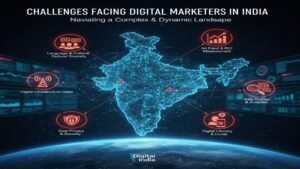
Despite enormous opportunities, digital marketing in India comes with challenges:
High Competition: Every brand is competing for online attention.
Rapid Technology Changes: Constant innovation requires marketers to stay updated.
Consumer Awareness: Users are selective and demand authentic, valuable content.
Ad Fatigue: Overexposure to online ads can reduce effectiveness.
Overcoming these challenges requires a strategic approach, continuous learning, and adaptability.
Case Studies: Indian Brands Leading Digital Marketing
Swiggy: Uses creative social media campaigns, influencer collaborations, and AI-driven personalization to dominate the food delivery sector.
BYJU’S: Leverages video marketing, gamified content, and personalized learning journeys to attract and retain students.
Nykaa: Employs AR try-ons, influencer marketing, and omnichannel strategies to become a leader in the beauty segment.
These examples illustrate how Indian brands are using innovation and digital strategies to stay ahead of competitors.
Future Trends to Watch
Key factors driving the future of digital marketing in India include:AI and Machine Learning: Hyper-personalized campaigns and predictive analytics.
Immersive Experiences: AR, VR, and metaverse adoption for interactive engagement.
Short-Form and Interactive Content: Engaging consumers with creative, shareable content.
Regional and Voice Marketing: Reaching diverse linguistic audiences with conversational content.
Sustainable and Ethical Marketing: Building trust through responsible advertising and privacy compliance.
Brands that embrace these trends early will enjoy a significant advantage in the competitive Indian market.
Actionable Strategies for Businesses
Invest in Data Analytics: Use insights to personalize campaigns and optimize performance.
Leverage Social Media: Focus on short-form videos, influencer marketing, and interactive content.
Adopt Mobile-First Marketing: Optimize websites, apps, and campaigns for mobile users.
Explore AR and VR: Enhance customer engagement through immersive experiences.
Prioritize Ethical Practices: Ensure data privacy and transparent communication.
By implementing these strategies, businesses can future-proof their digital marketing efforts in India.
Conclusion
India’s digital marketing landscape is dynamic, innovative, and full of opportunities. From AI and video marketing to AR/VR experiences and social commerce, the future of digital marketing in India promises transformative growth.
Brands that stay ahead of trends, embrace technology, and prioritize meaningful engagement with consumers will thrive. Ethical practices, data-driven strategies, and innovative campaigns will define the next decade of digital marketing in India.
The journey has just begun, and the future of digital marketing in India is brighter than ever—offering limitless possibilities for brands, marketers, and consumers alike.
Author ; irfan